
Penrith Arborist Reports
Development ApplicationsTree AssessmentsVegetation PermitsAQF Level 5 Arborist Reports
Need an Arborist Report for a Development Application, tree removal application or Health & Safety Tree Assessment in Penrith?
Penrith Tree Permit Services provides AQF Level 5 Arborist Reports and Council-ready arboricultural documentation across the Penrith City Council area for Development Applications, tree removal, safety assessments and construction projects involving protected trees.
- DA Arborist Reports
- Arboricultural Impact Assessments
- Tree Removal Reports
- Health & Safety Tree Assessments
- Tree Protection Plans
- Root Investigation & Mapping
- Project Arborist Services
AQF Level 5 Consulting ArboristsTRAQ & QTRA Qualified32+ Years’ Arboricultural Experience
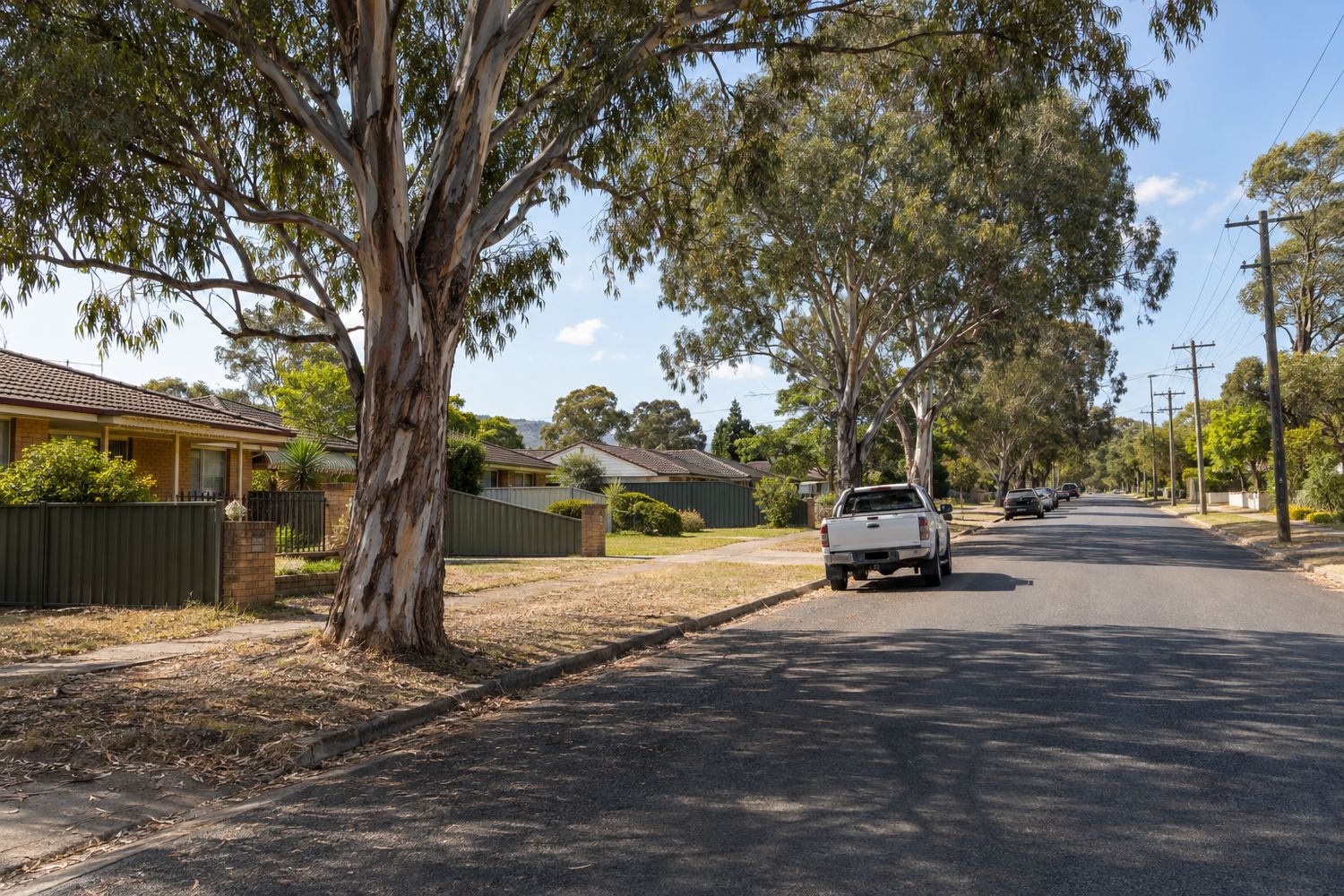
Expert Arborist Reports Across Penrith
Penrith contains some of the most varied development and vegetation environments in Western Sydney.
Established residential areas sit alongside newer housing estates, major town centres, rural and semi-rural properties, growth precincts and land within the Western Sydney Aerotropolis, and areas undergoing substantial planning change.
That means an Arborist Report in Werrington can involve very different issues from a development in Glenmore Park, a larger property around Mulgoa, or a site near the employment-land interface at Kemps Creek.
Penrith Tree Permit Services works with homeowners, architects, builders, developers, engineers, town planners and other professionals across all three Penrith City Council wards.
Which Arborist Report Do You Need?
Penrith Council Wards We Service
Penrith City Council is divided into three official wards. Each ward page below covers the specific suburbs, development context and arboricultural issues relevant to that part of the LGA in more detail than a single citywide page can.
North Ward
Werrington, Cranebrook & Cambridge Park
North Ward runs from established residential areas around Penrith, Cambridge Park, Cambridge Gardens and Werrington through newer development at Cranebrook and Jordan Springs, to rural and semi-rural land around Castlereagh, Londonderry, Berkshire Park, Llandilo and Agnes Banks. Common work includes DA Arborist Reports, Tree Removal Reports and Vegetation Permit advice, alongside root investigation, Tree Protection Plans and Project Arborist services for redevelopment and rural sites.
North Ward Arborist ReportsSouth Ward
Penrith, Glenmore Park & South Penrith
South Ward stretches from established urban Penrith, South Penrith and Jamisontown through Glenmore Park’s staged development and the Nepean-side suburbs of Leonay, Emu Plains and Regentville, to the rural landscapes of Mulgoa, Wallacia, and the Aerotropolis-transition land around Luddenham and Badgerys Creek. Common work includes residential DA Arborist Reports, Tree Protection Zone assessment, root investigation and rural-property tree assessment, plus construction-stage tree protection.
South Ward Arborist ReportsEast Ward
St Marys, St Clair & Colyton
East Ward combines established residential areas around St Clair, Colyton, Oxley Park and North St Marys with the changing St Marys town centre, the growth precincts of Caddens and Claremont Meadows, major planning change at Orchard Hills, and the rural and employment-land transition around Erskine Park, Mount Vernon and Kemps Creek. Common work includes DA Arborist Reports, Arboricultural Impact Assessments, tree removal assessment and Tree Protection Plans.
East Ward Arborist ReportsLooking for an Arborist Report in Werrington, Glenmore Park, St Marys, Caddens, Mulgoa, Kemps Creek or another Penrith suburb? Select the relevant ward above, or contact us and we will confirm the correct ward for your property.
Why Penrith Is Different
Although administered by a single council, Penrith covers a wide range of development and vegetation environments. Established residential areas, major growth precincts, rural and semi-rural land and Aerotropolis-related development all influence how trees are assessed during planning and development.
Established Residential & Redevelopment
Werrington, Cambridge Park, South Penrith and St Clair combine mature trees with ongoing knockdown-rebuilds, extensions and secondary dwellings, where retained trees are frequently assessed alongside excavation and building works.
Growth Precincts & Planning Change
Caddens, Claremont Meadows, Glenmore Park and Orchard Hills sit within areas of substantial residential growth or state-led rezoning, where early arboricultural input can identify tree constraints before design is finalised.
Rural, Semi-Rural & Employment-Land Transition
Castlereagh, Londonderry, Mulgoa, Wallacia, Kemps Creek, Luddenham and Badgerys Creek can involve larger areas of vegetation, groups of trees and native vegetation rather than a single isolated residential tree, with additional biodiversity or environmental considerations sometimes relevant.
Penrith Council Tree Controls
Penrith City Council’s vegetation management controls apply across all three wards. Ward boundaries do not change these Council-wide controls.
A tree generally includes a living perennial plant that is 3.5 metres or more in height, or more than 100mm in trunk diameter measured 1.4 metres above ground level.
Controls can also apply to prescribed native vegetation, environmentally sensitive land, heritage vegetation and formally recognised significant vegetation.
Development Application or Vegetation Permit?
The correct pathway depends on why the tree work is proposed.
Private Tree Removal or Pruning
Where tree work is unrelated to proposed development, a Vegetation Permit may be required unless an exemption or another lawful pathway applies.
Tree Work Associated With Development
Where tree removal or tree impacts are required to facilitate a Development Application, the tree issue is generally considered through the DA rather than treated as a separate private tree-removal matter.
Establishing the correct pathway before removing vegetation is particularly important where development is planned.
Trees and Development in Penrith
Across Penrith, the fundamental arboricultural question is the same regardless of ward: what impact will the proposed development have on existing trees, and what constraints will retaining those trees place on the design?
Early assessment can identify tree constraints before architectural, civil or landscape design is finalised. Depending on the project, this may involve Tree Protection Zones, Structural Root Zones, proposed encroachment, neighbouring trees, excavation, driveways, retaining structures, underground services, changes in level, root investigation and construction-stage protection.
On larger developments, the arboricultural pathway may continue beyond the initial AIA through Tree Protection Planning and Project Arborist involvement.
Replacement Planting
Where tree removal is approved, replacement planting requirements can form part of Council approval or Development Application conditions. The requirement depends on the applicable approval pathway, property and development context, and should be checked against the specific Council or consent conditions applying to the site.
Why Choose Penrith Tree Permit Services?
AQF Level 5 Consulting Arborists
Arboricultural assessment and documentation prepared by appropriately qualified Consulting Arborists.
TRAQ & QTRA Qualified
Recognised tree-risk assessment methodologies, used where formal risk assessment is appropriate.
32+ Years’ Experience
Arboricultural consulting experience across residential, growth-precinct, rural and employment-land sites.
Council-Ready Documentation
Assessment and reporting prepared for Council’s assessment process, including responses to requests for information.
Penrith-Wide Coverage
Work across North, South and East Wards, with suburb-specific detail on each ward page.
Evidence-Based Assessment
Tailored to the actual tree, property and proposed works rather than a generic template.
Need a Report Quickly?
Fast-track reporting services are available for urgent Development Application deadlines.
Request an assessmentFrequently Asked Questions
Questions we are asked most often about Arborist Reports across the Penrith wards.
Which Penrith Council ward covers my property?
If you are unsure which ward your property falls within, contact us with your address and we will confirm the correct ward before preparing your quotation. Several suburbs, including parts of Kingswood, Penrith, Emu Plains and Orchard Hills, span more than one ward.
Does Penrith have different tree rules in each ward?
No. Penrith City Council’s core vegetation controls apply across the LGA. The ward changes the local development and vegetation context, not the underlying Council-wide rules.
Do I need an Arborist Report to remove a tree?
Not automatically. First establish whether the tree is controlled, whether an exemption applies and whether a Vegetation Permit is required. Arboricultural evidence may be appropriate where condition, risk or damage is relied upon.
Do I need an Arborist Report for a Development Application?
Not every Development Application automatically requires one. Where existing or neighbouring trees may be affected, Council may require arboricultural assessment.
Can a neighbouring tree affect my development?
Yes. A neighbouring tree can be relevant where its canopy, root system or Tree Protection Zone extends into the development site.
Can you investigate tree roots before construction?
Yes. Non-destructive root investigation can help establish actual root location where proposed excavation or construction approaches a retained tree.
Do you work across all three Penrith wards?
Yes. Dedicated pages cover North Ward, South Ward and East Ward, each with suburb-specific detail.
Need an Arborist Report in Penrith?
Whether you need a Development Arborist Report, Tree Removal Report, Health & Safety Tree Assessment, root investigation or construction tree protection, Penrith Tree Permit Services can identify the appropriate pathway for your property.
AQF Level 5 Consulting ArboristsTRAQ & QTRA Qualified32+ Years’ ExperiencePenrith LGA