
Arborist Reports DA & Tree Removal - Werrington, Cranebrook & Cambridge Park
AQF Level 5 Arborist Reports for Development Applications & Tree Removal
Need an Arborist Report in Penrith’s North Ward?
Penrith Tree Permit Services provides AQF Level 5 arboricultural assessments and Council-ready reports throughout North Ward, from established residential areas around Cambridge Park, Werrington and Penrith through to larger rural and semi-rural properties around Castlereagh, Londonderry, Berkshire Park, Llandilo and Agnes Banks.
The correct pathway depends on why the tree is being assessed and where the property sits. A tree affected by a proposed development is generally dealt with through the Development Application. A private tree proposed for removal or pruning may instead require a Vegetation Permit. Rural and semi-rural sites can involve additional considerations around native vegetation and environmentally sensitive land.
Not every tree needs a full Arborist Report. Where the facts are clear and an exemption plainly applies, one may not be necessary. We assess the site first and identify what is actually required.
Request an assessmentAQF Level 5 Consulting ArboristsTRAQ & QTRA Qualified32+ Years’ Arboricultural Experience
North Ward Is Not One Arboricultural Environment
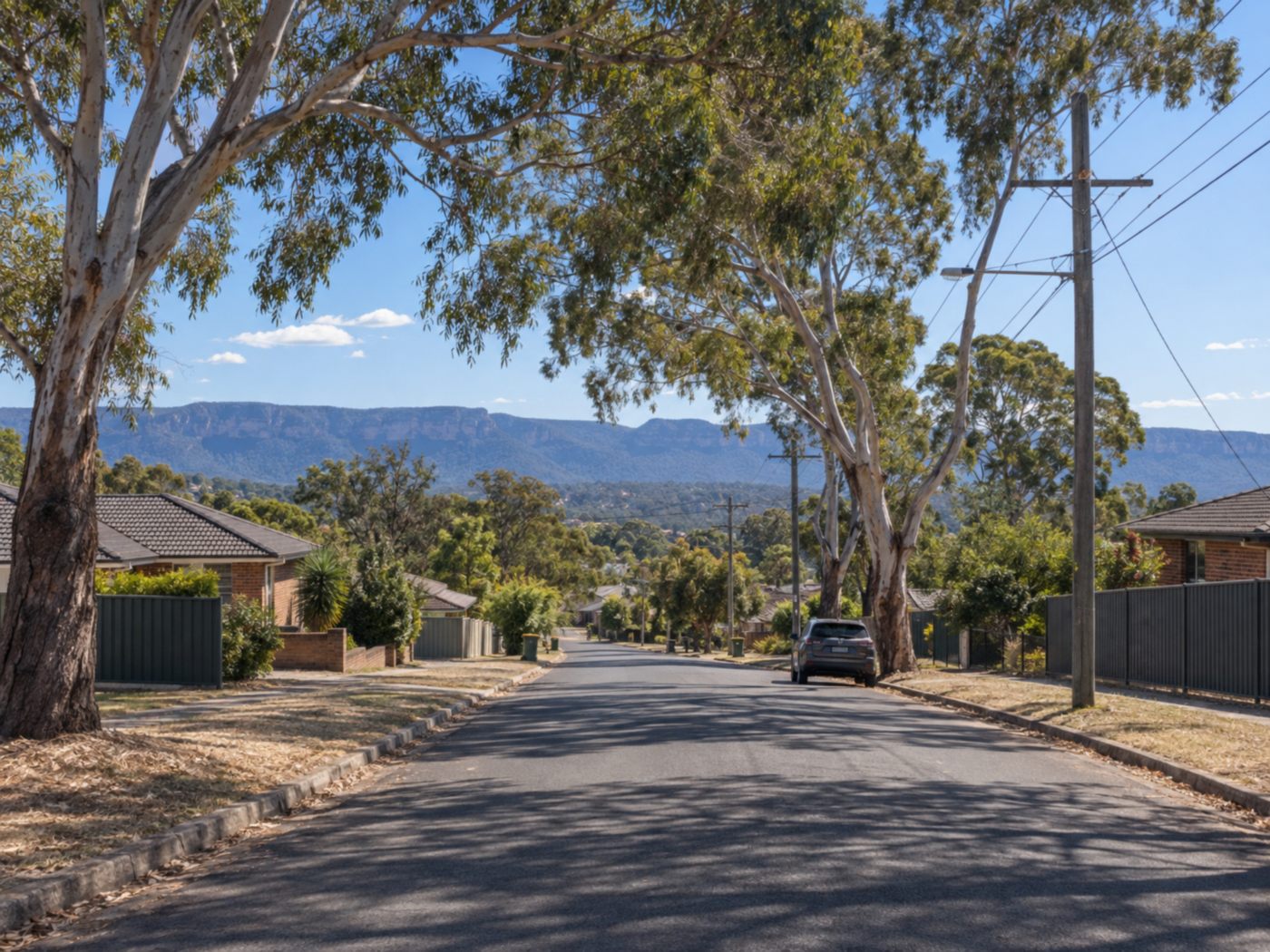
The reason we have built a dedicated North Ward resource, rather than a generic suburb list, is the variation across this part of Penrith. The right pathway and the issues that typically come up differ depending on the site and its surrounding environment.
Established residential: Penrith, Cambridge Park, Cambridge Gardens, Kingswood
Mature trees on comparatively constrained residential lots. Extensions, knockdown-rebuilds, secondary dwellings, driveways and other residential development can bring construction close to existing trees or a neighbour’s canopy and root zone.
The key question here is rarely retain or remove in isolation. It is whether the proposed design can coexist with the tree without unacceptable impact to its roots, structure or long-term viability. That is best worked out before plans are finalised, not after a Development Application is lodged.
Established residential and redevelopment: Werrington, Werrington County, Werrington Downs
These established residential areas contain mature trees alongside ongoing residential redevelopment, meaning trees can sit close to proposed building footprints, access points, retaining structures and services.
Where a tree is retained close to construction, an Arboricultural Impact Assessment may need to establish Tree Protection Zone and Structural Root Zone requirements and assess proposed encroachment, potentially progressing to a Tree Protection Plan and, during construction, Project Arborist supervision.
Transitional and newer development: Cranebrook, Jordan Springs
A different context again: newer residential development sitting alongside established vegetation, with native vegetation and landscape considerations potentially relevant depending on the site.
A tree being on a development site does not automatically mean it should be removed, and proposed retention does not automatically mean construction can proceed immediately beside it. The relationship between the tree’s root zone and the proposed works still needs to be assessed on its own facts.
Mixed topography: Emu Heights, parts of Emu Plains
The western side of North Ward can have different topography, vegetation and site-access constraints from the more urbanised central areas. Assessment here can involve slope and access considerations alongside the standard Council tree controls.
Parts of Emu Plains fall within North Ward and parts within South Ward.
Rural and semi-rural: Castlereagh, Londonderry, Berkshire Park, Llandilo, Agnes Banks
North Ward extends across substantial rural and semi-rural land, where tree and vegetation issues can involve groups of trees or stands of native vegetation rather than a single isolated residential tree.
That distinction matters. Vegetation clearing at this scale can trigger considerations beyond a standard individual-tree removal application and, depending on scale and location, biodiversity controls may also come into play. For rural properties, establishing the correct approval pathway before clearing occurs is particularly important.
North Ward Suburbs We Service
Parts of Emu Plains, Kingswood and Penrith fall within North Ward. Ward boundaries do not change the Council-wide tree controls that apply. If a property is near a boundary, its ward can be confirmed from the address.
See how we have approached real developments and tree assessments across Penrith’s different site types.
Penrith Council Tree Controls Apply Across North Ward
North Ward does not have a separate set of tree rules. The Penrith Development Control Plan 2014 sets City-wide vegetation-management controls that apply across the LGA.
For Council’s tree controls, a tree generally includes a living perennial plant that is 3.5 metres or more in height, or has a trunk diameter exceeding 100mm measured 1.4 metres above ground level.
Controls can also extend to prescribed native vegetation, environmentally sensitive land, heritage vegetation and formally recognised significant vegetation, meaning tree size is not the only consideration.
Council information last verified: 30 August 2026. Council requirements can change. This page provides general guidance current as of the date above. For a determination specific to your property, confirm current requirements with Penrith City Council or arrange a site assessment.
Do I Need a Vegetation Permit in North Ward?
Potentially. Trees generally cannot be removed or pruned without approval unless a specific exemption or another lawful pathway applies.
Exemptions can include certain dead non-habitat trees, trees presenting an imminent danger, qualifying trees close to a dwelling, exempt species and qualifying pruning.
The exemption needs to genuinely fit the circumstances. Where tree condition, risk or structural damage is being relied on, professional evidence may be appropriate before work proceeds, particularly for the imminent-risk exemption, where Council guidance notes a preference for an AQF Level 5 Consulting Arborist.
Tree Roots and Development Near Retained Trees
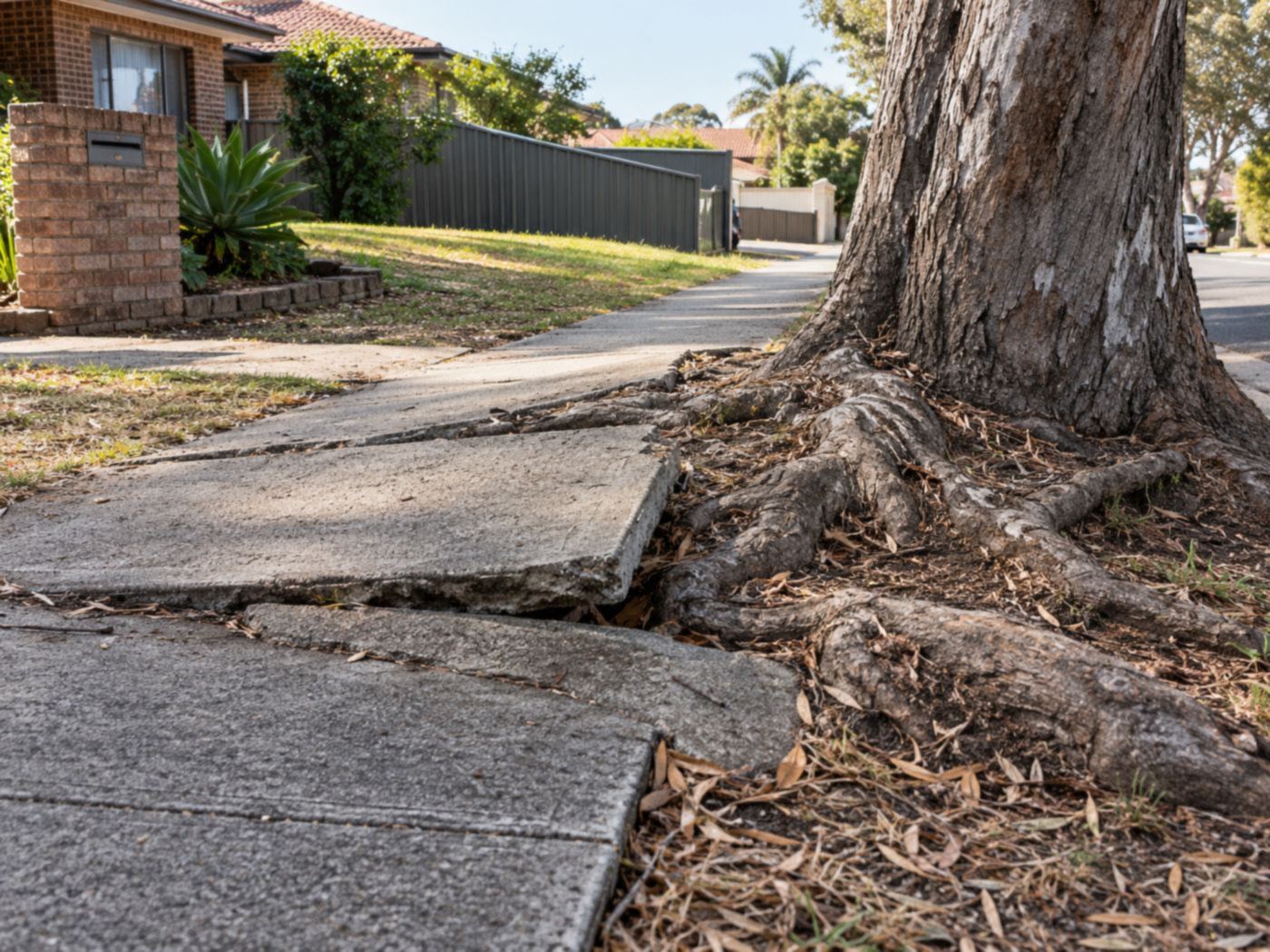
Cracked paving, damaged pipes or root-related structural concerns can trigger tree investigations across North Ward’s established areas.
Where the relationship between a tree and suspected damage, or between a proposed development and a retained tree’s root zone, needs to be established with evidence rather than assumption, non-destructive root investigation can help identify root location, size and depth.
Where retention is approved and construction proceeds nearby, protection measures such as fencing, exclusion zones and construction controls can be documented through a Tree Protection Plan and, where required, monitored during construction by the Project Arborist.
Why Choose Penrith Tree Permit Services?
AQF Level 5 Consulting Arborists
Council-ready assessment across different site types throughout North Ward.
32+ Years’ Arboricultural Experience
Practical arboricultural experience from established suburban lots to rural and semi-rural properties.
Development Specialists
Arboricultural Impact Assessments, Tree Protection Plans, root investigation and Project Arborist services.
Local Knowledge
The appropriate pathway identified for the individual site rather than applying a one-size-fits-all answer.
Frequently Asked Questions
Questions we are asked about trees across North Ward.
Do I need an Arborist Report to remove a tree in North Ward?
Not automatically.
First establish whether the tree is controlled, whether an exemption applies and whether a Vegetation Permit is required. Where tree health, structural condition, risk or damage is being relied on to support removal, arboricultural evidence may be appropriate.
Do the tree rules change between Cranebrook and Londonderry?
The rules do not change, the site circumstances do.
The Council-wide tree controls are the same, but the site circumstances can differ substantially. A suburban tree in Cranebrook may involve an individual Vegetation Permit or residential development context. A Londonderry property may involve rural land, multiple trees or native vegetation requiring a different assessment pathway.
Can I remove trees before lodging my Development Application?
Generally, no.
Tree removal needed to facilitate a proposed development should generally be assessed as part of the Development Application itself. Removing vegetation separately beforehand can create planning and compliance problems.
Does every tree over 3.5 metres need a permit?
No.
Height is one trigger within Penrith’s tree controls, but exemptions and other pathways may apply. Trees can also be captured because trunk diameter exceeds 100mm at 1.4 metres, or because of vegetation, environmental, heritage or significance considerations.
What if a neighbour’s tree affects my development?
Neighbouring trees can still be relevant.
If their Tree Protection Zone, root system or canopy extends into the development site, they may need to be considered in the Arboricultural Impact Assessment and protected from development impacts.
What happens if Council requires trees to be retained?
Council may impose tree-protection conditions.
These apply where development is approved around retained trees. Depending on the project, they can involve a Tree Protection Plan and Project Arborist inspections during construction.
Need an Arborist in Penrith North Ward?
Whether you are preparing a Development Application in Werrington, assessing a tree in Cranebrook, investigating roots in Cambridge Park, or managing vegetation on a larger rural property around Londonderry or Castlereagh, the first step is identifying the correct pathway for your site.
AQF Level 5 Consulting ArboristsTRAQ & QTRA Qualified32+ Years’ Arboricultural Experience